Fresno County is the nation's top-ranked farm county by gross production — $9.03 billion in 2024 — but the same seasonal harvest cycle that drives that output creates predictable gaps between input costs and payment. Short-term asset-backed loans are one way to bridge them.
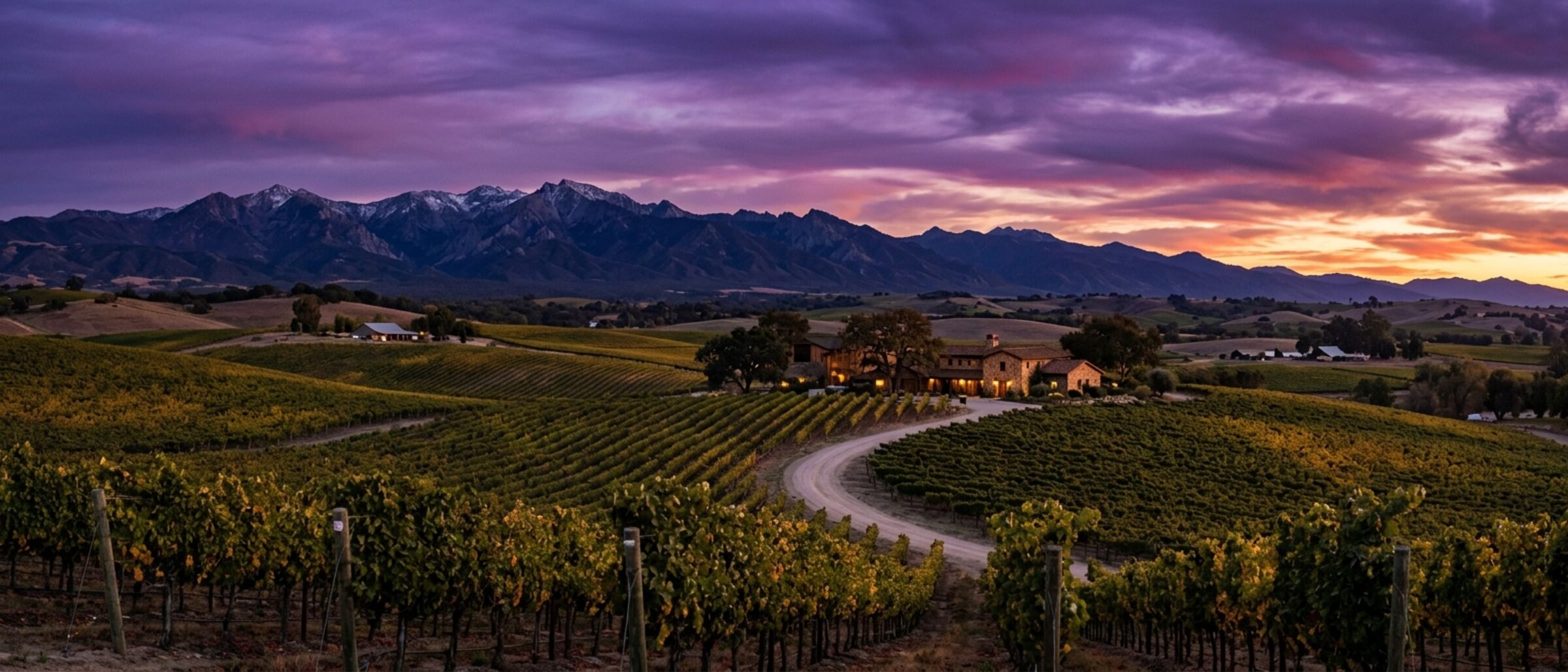
Fresno County recorded $9.03 billion in farm production in 2024 — the highest gross output of any farm county in the United States, up nearly 6% from the prior year. The three commodities that led that total were almonds ($1.45 billion), grapes ($1.04 billion), and pistachios ($857.3 million). The county produces more than 200 distinct commodities and exports to over 91 countries, which means growers carry meaningful exposure to global commodity-price swings alongside weather and input-cost pressures.
Agriculture's reach extends well beyond the farm gate. In 2023, farming contributed $21.66 billion to the Fresno County economy, directly supporting 63,103 jobs and generating nearly 45,000 additional positions through multiplier effects. Local food processing added $6.02 billion in direct output, spanning nut manufacturing ($1.5 billion), meat and poultry processing ($1.747 billion), and canning operations ($635.9 million).
The county's harvest calendar maps a multi-wave payment structure that stretches across eight to nine months of the year. Blueberries come in mid-March through mid-May; peaches run mid-May through mid-September; almonds — the county's top earner — are harvested September through mid-October. Oranges (Valencia variety), apples, nectarines, apricots, and pears each occupy their own distinct windows within that span.
The almond cycle illustrates the timing problem most clearly. Bloom begins in mid-February; harvest typically starts in August and runs through mid-October. From bloom to the end of harvest, growers carry six to seven months of labor, irrigation, and input costs before the crop leaves the tree. Processor payment, governed by California Food and Agricultural Code §55631, attaches at delivery — often months after those costs were incurred. The statute grants every producer who sells to a processor a lien on the product and all its processed forms to the extent of the agreed price, but the lien does not accelerate the payment date; it establishes priority, not timing.
The county posted a 7.9% annual unemployment rate in 2024, ranking 51st out of 58 California counties — a figure closely tied to the off-season drop in agricultural employment. Per-capita income of $54,400 in 2023 ranked 43rd in the state. High gross production does not automatically translate into year-round liquidity at the individual operator level.
An asset-backed loan does not require a crop lien or a farm-specific credit review. The loan is extended against the appraised liquidation value of a tangible asset the borrower already owns — fine jewelry, gold bullion, a watch collection, or art — not against projected harvest receipts. That distinction matters when a grower or affiliated business needs to close a cash-flow gap before almonds clear the processor and before payment arrives.
Loan amounts are set by the asset's current market value, not by income statements or debt-service ratios. Terms are typically short, structured to be repaid when seasonal receipts arrive. The borrower retains the option to redeem the collateral in full at any point. If the loan is not repaid, the lender recovers from the asset rather than from future crop proceeds.
Fresno Madera Farm Credit — a federally chartered, member-owned institution that has served this area since 1917 and distributed $15.1 million in cash patronage to member-borrowers in February 2026 — is the established source for credit secured against agricultural assets. Asset-backed lending through our licensed lender partners addresses a different need: liquidity drawn from personal assets outside the farm's capital structure, without disturbing existing agricultural credit lines.
Our licensed lender partners accept gold and bullion, fine jewelry, watches, and fine art as collateral. Valuations are conducted by qualified appraisers. Loan amounts and terms referenced on this site are general guidance, not offers or commitments to lend; approval is not guaranteed, and all originations are made by licensed lender partners.
The how it works page explains valuation, documentation, and disbursement before you bring in an asset. For specific questions, contact us directly.
Loans are originated by licensed lender partners. Loan offers, terms, rates and final decisions are made by the originating licensed lender at appraisal — figures shown here are general guidance, not loan offers.
Last reviewed August 30, 2026.
We use cookies for essential site functionality. With your consent, we also use analytics and advertising cookies to improve our service. Learn more.